phenylketonuria is a good example of pleiotropy Pleiotropy phenylketonuria pleiotropic pku
Hey there! Today we’re going to talk about two interesting medical conditions: Pleiotropy and Phenylketonuria, also known as PKU. First up, let’s take a look at Pleiotropy. So, what exactly does that mean? Basically, it refers to a single gene that has multiple effects on an individual’s phenotype (that’s just a fancy way of saying physical traits). In other words, one gene can affect multiple aspects of a person’s appearance or health. Some examples of pleiotropy in action include the sickle cell gene, which can cause both sickle cell anemia and protection against malaria, and the BRCA1 and BRCA2 genes, which can increase the risk of developing breast and ovarian cancer. Now, let’s move on to PKU. This is a pretty rare genetic disorder that affects the body’s ability to break down an amino acid called phenylalanine (Phe). Normally, Phe is converted into another amino acid called tyrosine. However, in people with PKU, the enzyme that performs this conversion is either missing or defective, leading to a buildup of Phe in the blood. So, what are the consequences of this buildup? Without treatment, it can lead to a range of issues including intellectual disability, seizures, behavioral problems, and a musty odor in the breath and urine. However, if PKU is caught early and treated with a special low-Phe diet, most of these problems can be avoided. Now that we’ve covered the basics of these two conditions, let’s take a look at some images to help drive the points home. First up, we have an image that gives an overview of pleiotropy. As you can see, it shows how a single gene can have multiple effects on an individual’s phenotype. [Insert image with alt tag “Pleiotropy overview”] Next, we have an image that gives an overview of PKU. It shows the chemical structure of phenylalanine and the enzyme that normally converts it to tyrosine. [Insert image with alt tag “PKU overview”] Finally, we have an image that shows the recommended foods for people with PKU. As you can see, it’s important for them to avoid foods that are high in phenylalanine, such as meat, dairy, and certain grains. [Insert image with alt tag “PKU diet”] In conclusion, Pleiotropy and PKU are two fascinating medical conditions that have a lot to teach us about how genes can affect our health and well-being. While they may seem complicated at first, I hope these images helped you understand them a bit better. Remember, knowledge is power when it comes to understanding our bodies and how they work!
If you are searching about Pleiotropy: An Overview, Pleiotropic Effect, Examples you’ve visit to the right page. We have 5 Pics about Pleiotropy: An Overview, Pleiotropic Effect, Examples like Biochemistry - Tommy the doc, Pleiotropy: An Overview, Pleiotropic Effect, Examples and also Biochemistry - Tommy the doc. Read more:
Pleiotropy: An Overview, Pleiotropic Effect, Examples
 www.embibe.compleiotropy pleiotropic
Biochemistry - Tommy The Doc
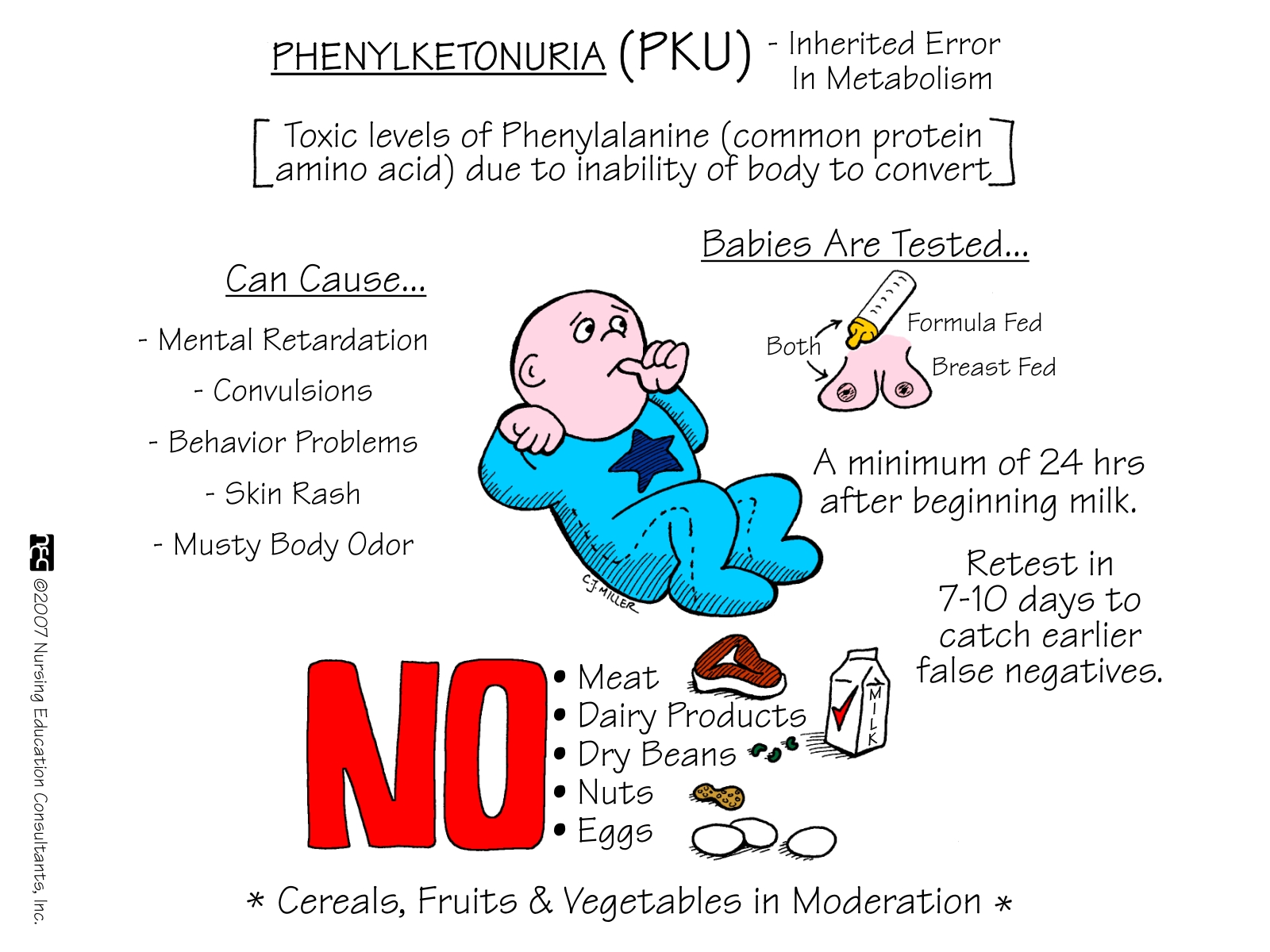 tommythedoc.weebly.comphenylketonuria odor musty essential body
Phenylketonuria
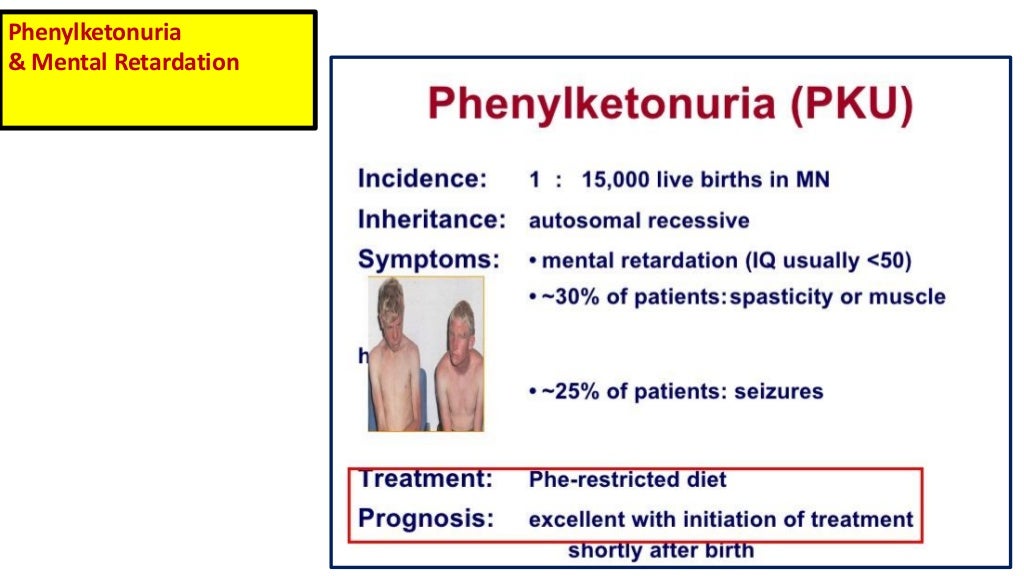 www.slideshare.netphenylketonuria
Phenylketonuria - Home
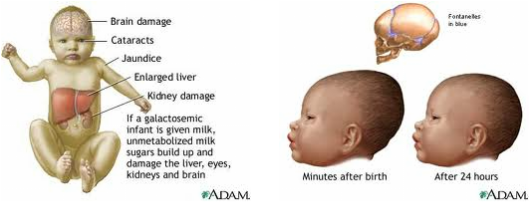 jsandovalphenylketonuria.weebly.comphenylketonuria children test normal arms legs jerking movements symtoms seizures having
Pleiotropy: An Overview, Pleiotropic Effect, Examples
 www.embibe.compleiotropy phenylketonuria pleiotropic pku
Phenylketonuria odor musty essential body. Pleiotropy pleiotropic. Pleiotropy: an overview, pleiotropic effect, examples